
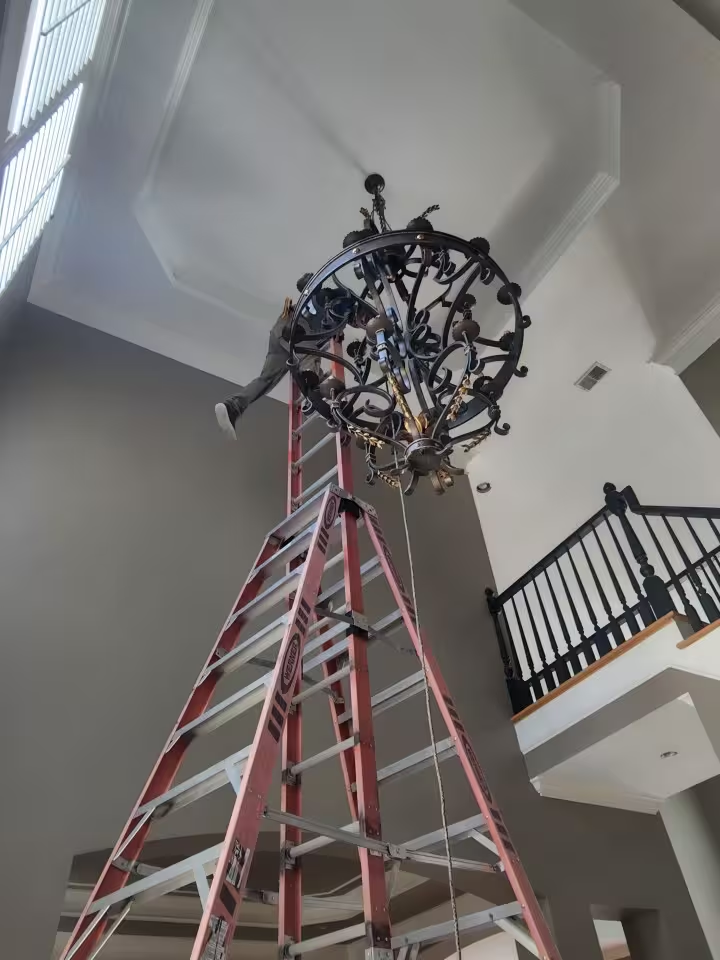
Professional chandelier installation often costs more than basic light fixture replacement because the work is not the same. A chandelier can involve height, weight, delicate materials, specialty mounting, finished-room protection, detailed assembly, and real liability if something goes wrong.
The price should reflect the complexity and risk of the job, not simply the amount of time someone expects the electrical connection to take.
Chandelier work is not general handyman work
A simple flush-mount fixture may be removed and replaced quickly in a standard room. A chandelier can be completely different.
Professional chandelier work may involve:
- tall ceilings,
- stairwells or foyers,
- fragile crystals and glass,
- fixture assembly,
- heavy lifting,
- ladder or scaffold setup,
- electrical support review,
- ceiling box replacement,
- dimmer compatibility,
- protection of floors, walls, and furniture,
- careful leveling and final adjustment.
These details are why chandelier pricing should be based on the actual project, not a generic light-fixture number.
Experience reduces expensive mistakes
A chandelier can be expensive to replace, difficult to repair, and highly visible once installed. Mistakes may damage the fixture, the ceiling, the wiring, the crystals, or the finished room below.
An experienced installer brings more than labor. They bring judgment about how to stage the fixture, where to place ladders, when support is questionable, how to protect finishes, and when a project requires a different approach.
That experience can prevent problems that would cost far more than the installation itself.
High ceilings add time, risk, and setup
Two-story foyers, vaulted ceilings, and stairwell installations require more planning. The fixture may need to be assembled at height, lifted carefully, or handled by more than one person. Access may be limited by stairs, railings, furniture, windows, or finished surfaces.
High-ceiling work often requires additional time for:
- ladder or scaffold placement,
- safety planning,
- fixture staging,
- controlled lifting,
- chain or cable adjustment,
- canopy alignment,
- final leveling from the floor and from above.
If your fixture is going into a tall space, review our high-ceiling chandelier installation page.
Fixture assembly can be a major part of the job
Many chandeliers arrive in pieces. A customer may see one fixture in a product photo, but the actual box may include arms, crystals, hardware, candle sleeves, shades, rods, chains, wiring, and decorative parts that all need to be identified and assembled correctly.
Crystal chandeliers are especially time-intensive. Some require careful unpacking and staged assembly so the fixture is not scratched, bent, or overloaded during installation.
For detailed fixtures, see our crystal chandelier installation page.
Ceiling support matters
The installation is only as safe as the mounting point. Older ceiling boxes, loose screws, plastic boxes, stripped tabs, or unknown framing can turn a simple job into a support issue.
A professional installer should not ignore a questionable box just to finish quickly. If the box is not appropriate, the safer option may be ceiling box replacement for chandeliers or additional support planning.
For heavier fixtures, a chandelier security cable may also be appropriate.
Why discounts can create the wrong incentive
When chandelier installation is priced correctly, it accounts for time, experience, insurance, tools, travel, risk, setup, and responsibility. Discounting complex work can create pressure to rush, skip preparation, or overlook details.
A good chandelier installer should be focused on doing the job safely and correctly, not finding the fastest way to make a difficult job fit a low price.
What professional pricing includes
Professional pricing may include more than time on site. It can also reflect:
- project review,
- customer communication,
- travel,
- tools and equipment,
- setup and protection,
- insurance,
- fixture handling risk,
- electrical evaluation,
- cleanup,
- follow-through if issues arise.
The final result should be a chandelier that is secure, centered, level, functioning, and installed with care.
When the lowest price is not the best choice
The lowest quote may not include the work needed to protect the fixture or home. It may also assume ideal conditions that do not exist once the installer arrives.
Before choosing based only on price, consider:
- ceiling height,
- fixture weight,
- fixture value,
- assembly requirements,
- room finish quality,
- electrical support,
- access difficulty,
- whether the installer is insured and experienced with chandeliers.
Next step
For accurate pricing, submit photos and project details through the pricing request page. Include the fixture, ceiling height, room location, access limitations, and any known electrical or support concerns.
A clear scope helps prevent surprises and allows the work to be quoted based on the real conditions of the project.