
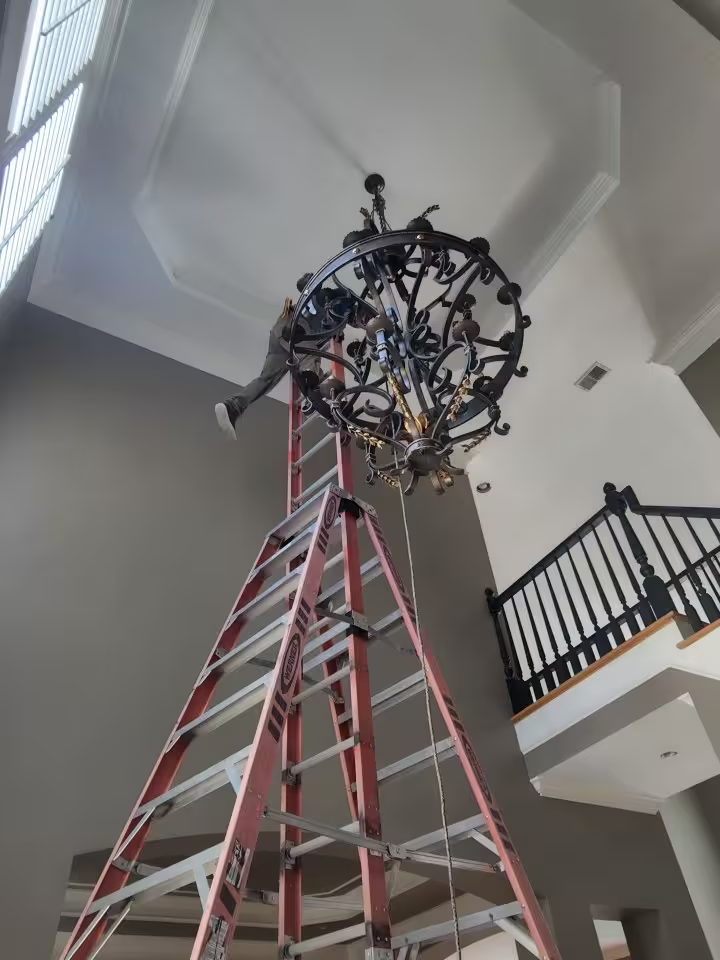
Chandeliers are more than light fixtures. For many homeowners, designers, collectors, and real estate clients, a chandelier can be a design feature, a family heirloom, an antique fixture, or an expensive decorative investment.
When a chandelier has meaningful value, documentation matters. A written appraisal or valuation can help you understand what the fixture is, what condition it is in, and whether it should be insured, restored, repaired, sold, moved, or replaced.
Why chandelier value is often overlooked
Many people focus only on the original purchase price of a chandelier. That can be misleading. Some chandeliers increase in desirability because of brand, material, age, design, craftsmanship, or rarity. Others lose value because replacement parts are unavailable, wiring is outdated, or damage has not been repaired properly.
Value can be affected by:
- crystal versus glass,
- brass, bronze, iron, or plated metal construction,
- designer or manufacturer,
- country of origin,
- age and design period,
- condition and completeness,
- whether the fixture has been rewired,
- whether replacement parts are available,
- whether the chandelier has matching crystals, arms, and hardware.
A chandelier that looks beautiful from the floor may still need a detailed review to understand condition and replacement value.
When an appraisal may be useful
A chandelier appraisal or valuation may be helpful in several situations.
Insurance documentation
If a chandelier is damaged by water, fire, moving, contractor negligence, or another covered event, documentation can help support a claim. Without valuation, an insurance company may treat a specialty fixture like a basic light fixture.
Real estate and staging
High-end lighting can affect how a home presents to buyers. When a chandelier is unusually valuable or part of the architectural character of the home, valuation can help determine whether it should remain with the property, be excluded from a sale, or be documented separately.
Estate, divorce, or asset division
Decorative fixtures may need to be valued when property is divided, inherited, sold, or transferred. A neutral written evaluation can reduce confusion.
Repair versus replacement decisions
If a chandelier is damaged, valuation can help determine whether repair is practical. A fixture with craftsmanship, rarity, or sentimental value may justify restoration even when the repair is not inexpensive.
Appraisal versus inspection
An appraisal focuses on value. An inspection focuses on condition, safety, installation quality, wiring, mounting, missing parts, and repair needs.
Both may matter. For example, an antique chandelier may have value, but if it has old wiring, missing crystals, loose arms, or poor ceiling support, the condition will affect repair decisions and future use.
For repair-related questions, see our chandelier repair service and our article explaining why chandelier repair cost can exceed fixture value.
What information helps with valuation
Helpful information may include:
- photos of the full chandelier,
- close-up photos of crystals, arms, sockets, canopy, and decorative details,
- brand or manufacturer information,
- receipts or purchase documentation,
- age or history of the fixture,
- known damage or missing parts,
- location and ceiling height,
- whether the fixture is installed or removed,
- any prior repair or restoration records.
The more complete the information, the easier it is to understand the fixture’s value and condition.
Not every chandelier needs a formal appraisal
A basic modern fixture may not justify a detailed written appraisal. In some cases, a practical condition review or repair evaluation is enough.
A formal valuation is more useful when the chandelier is antique, designer, imported, custom, unusually large, sentimental, damaged, disputed, insured, or part of a real estate or estate matter.
Next step
If you need help understanding the value, condition, or repair practicality of a chandelier, begin by gathering photos and documentation. For installed fixtures, include the ceiling height and room location. For damaged or missing parts, include close-up photos from several angles.
Then use the pricing request page or contact page so the fixture can be reviewed accurately.